Overview
LinkedIn exists in Korea, and plenty of people use it. But it is not the center of professional networking in the same way it is in many Western countries. In Korea, the physical business card (명함) still plays a much bigger role.
A business card does more than share your contact details. It tells the other person who you are, where you work, and how you fit into the conversation. Exchanging cards is also a small but important part of meeting someone professionally for the first time.
If you are building a business or attending startup events in Korea, it is worth getting this right.
Why Business Cards Still Matter Here
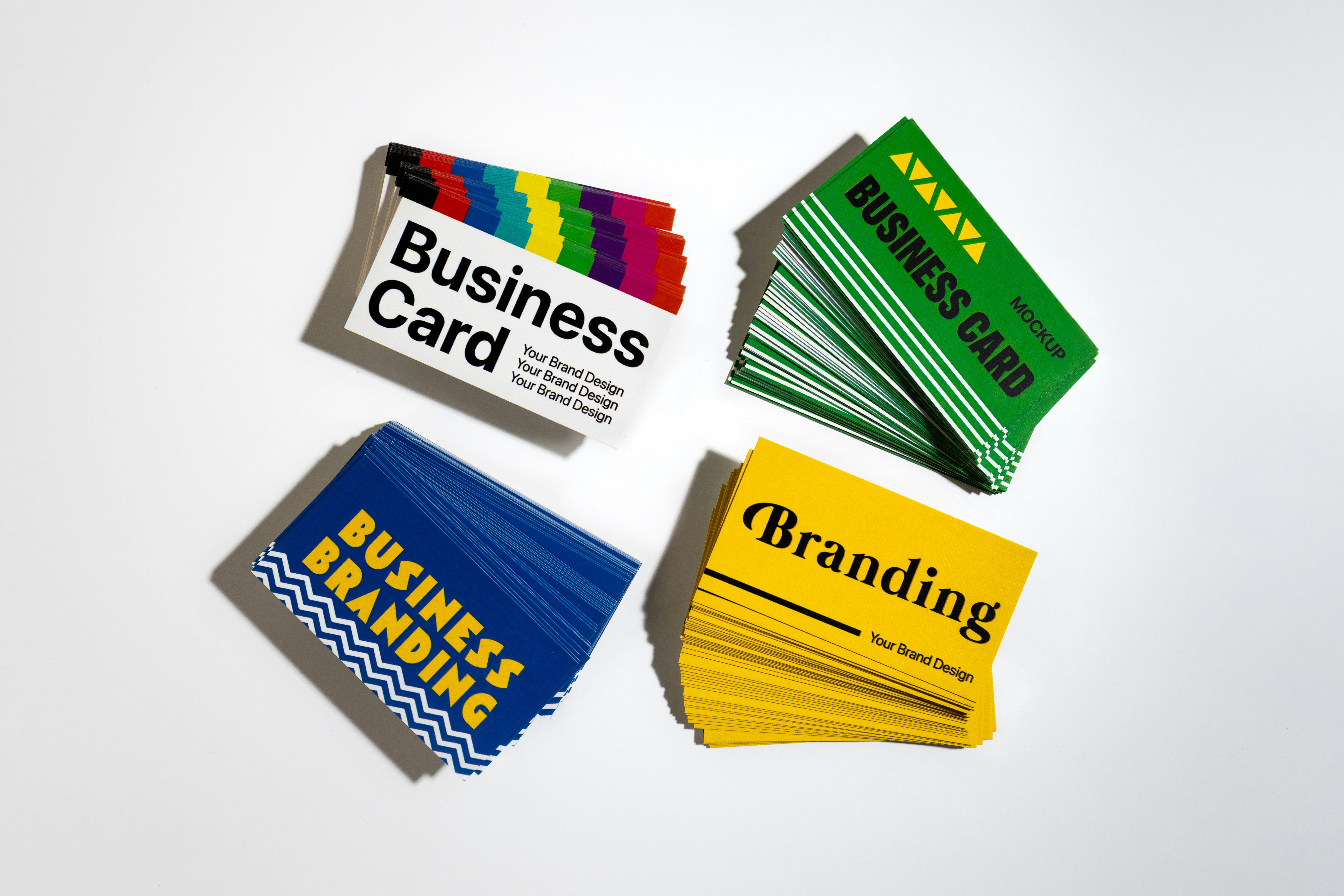
Korea's professional culture is deeply relationship-driven. A lot of business in Korea still happens through introductions, meetings, and relationships built over time. Additionally, trust is built in person, over time, through repeated contact, not through a cold DM or a connection request. A LinkedIn request may help someone remember you, but it usually does not carry the same weight as meeting face to face.
The business card exchange is often the first step. It gives both people an immediate sense of the other person’s company, position, and professional background.
Furthermore, titles and company affiliations also tend to matter more in Korea than they do in some Western startup circles. A card helps establish that context before the conversation goes very far.
The Exchange: How It Works
There's an etiquette to it, and it's worth knowing before your first networking event or meeting:
- Present and receive with both hands. This is standard practice and signals respect. One hand is considered casual at best, rude at worst.
- Take a moment to actually look at the card. Don't just pocket it immediately. Glance at it, acknowledge it. This shows you're registering the person, not just collecting cards.
- Don't write on it in front of them. In Korean business culture, marking up someone's card on the spot can come across as disrespectful.
- Keep cards in good condition. Carrying them in a dedicated card holder (not your back pocket) is common practice and a small but noticed detail.
These details may feel small, but they help show that you understand the setting you are in.
What Should Be on Your Card
Your card should make it easy for someone to understand who you are and contact you later. Your card is doing a job, so make sure it's equipped for it.
We recommend:
- Use both Korean and English on the same card. A common format is Korean on one side and English on the other. This is standard for anyone operating in a bilingual professional environment, and it signals that you've made an effort to localize.
- Use a clear, conventional title. Titles are taken fairly seriously in Korea, so “CEO,” “Founder,” or “Co-Founder” will usually work better than something informal such as “Builder” or “Maker.”
- Include your company name and logo. If you have a registered Korean entity, use that name. If not, you can include your English brand name, especially if that is how people are more likely to recognize you.
- Your contact details. Add your phone number, email address, and website. You may also want to include your KakaoTalk ID or a QR code that links to your contact information.
Where You'll Use Name Cards
Bring business cards to startup events, networking meetups, conferences, government program orientations, demo days, and meetings with potential partners or investors.
They are also useful in accelerators and incubators, where you may meet dozens of founders, mentors, and program managers in a short period of time.
- Networking events and meetups — there are a growing number of startup-focused events in Seoul, many of which are bilingual
- Government program orientations and demo days — if you're going through a grant program, you'll almost certainly be in rooms where cards are exchanged
- First meetings with potential partners, investors, or mentors — always bring cards to any formal or semi-formal meeting
- Accelerator and incubator programs — cohort environments where you'll meet a lot of people quickly
The easiest rule is to keep a few cards with you whenever you are going somewhere business-related. It is common to be offered a card unexpectedly, even in meetings that initially feel informal.
So, Where Does LinkedIn Fit?
LinkedIn is still useful in Korea, particularly in the startup, technology, investment, and international business communities.
In the Korean startup and VC scene, LinkedIn has grown in visibility, particularly among founders and investors with international exposure or those actively seeking global partnerships. If you're targeting that audience, maintaining an active LinkedIn presence still makes sense.
However, LinkedIn often works better as a place where people verify your background after meeting you. Someone may look at your profile to understand your experience, company, or mutual connections, even if the relationship began offline.
It is worth keeping your profile current, but it should support your in-person networking rather than replace it.
KakaoTalk (카카오톡): Where the Conversations Take Place
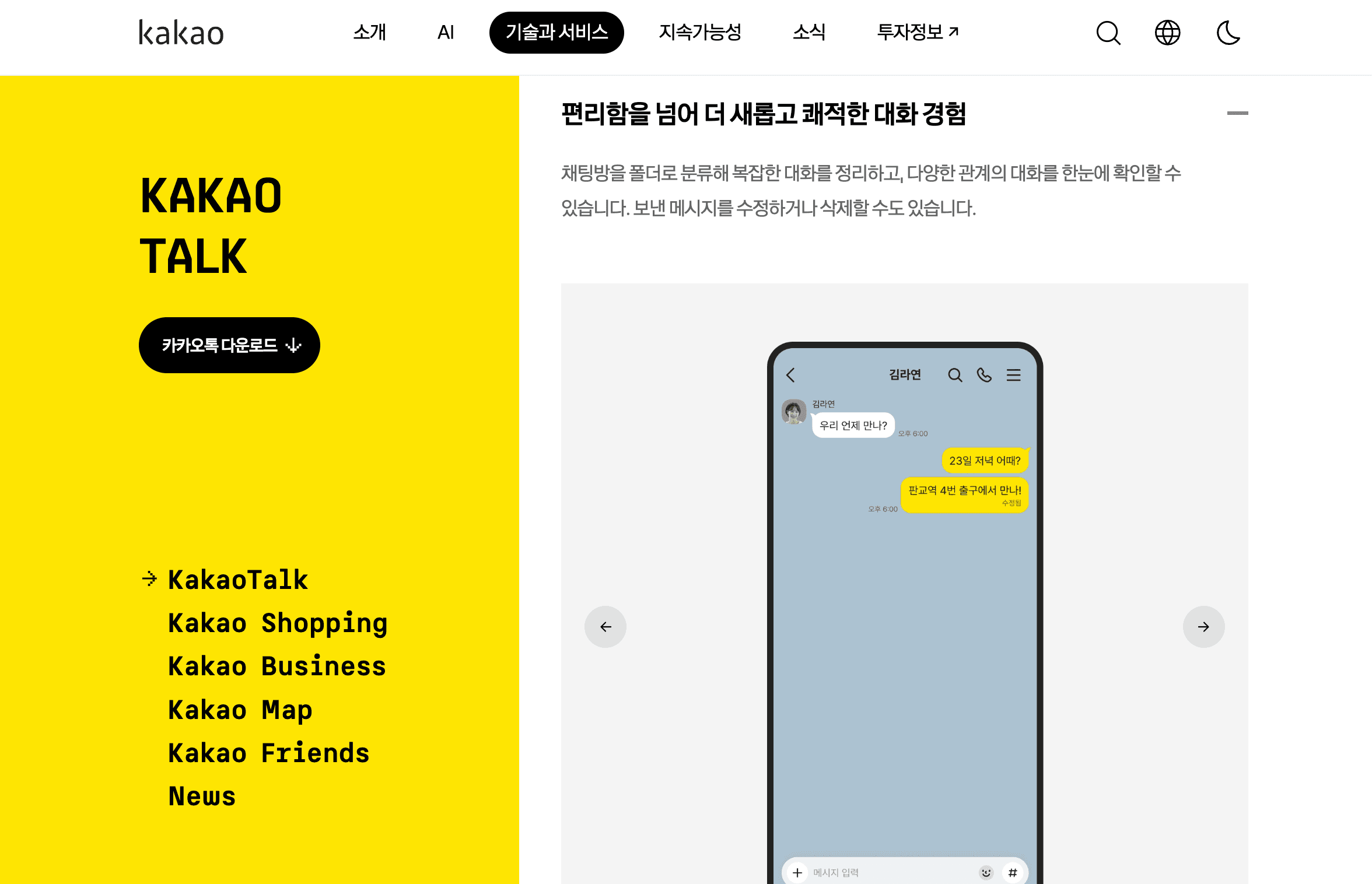
If LinkedIn is where Western professionals stay connected, KakaoTalk (카카오톡) is where Korean professionals actually talk. After the initial meeting, many conversations move to KakaoTalk. It's the dominant messaging app in Korea with near-universal adoption, and in a business context, exchanging KakaoTalk IDs after a meeting is the equivalent of connecting on LinkedIn.
Additionally, KakaoTalk is used across everyday life in Korea, including for professional communication. Depending on the relationship, someone may ask for your KakaoTalk ID instead of other contact information.
Including your KakaoTalk ID on your card can make following up easier. At a minimum, make sure your KakaoTalk profile uses a recognizable name and photo. Adding your company or role to your profile can also help new contacts remember where they met you.
Remember (리멤버) App: Managing the Cards You Collect
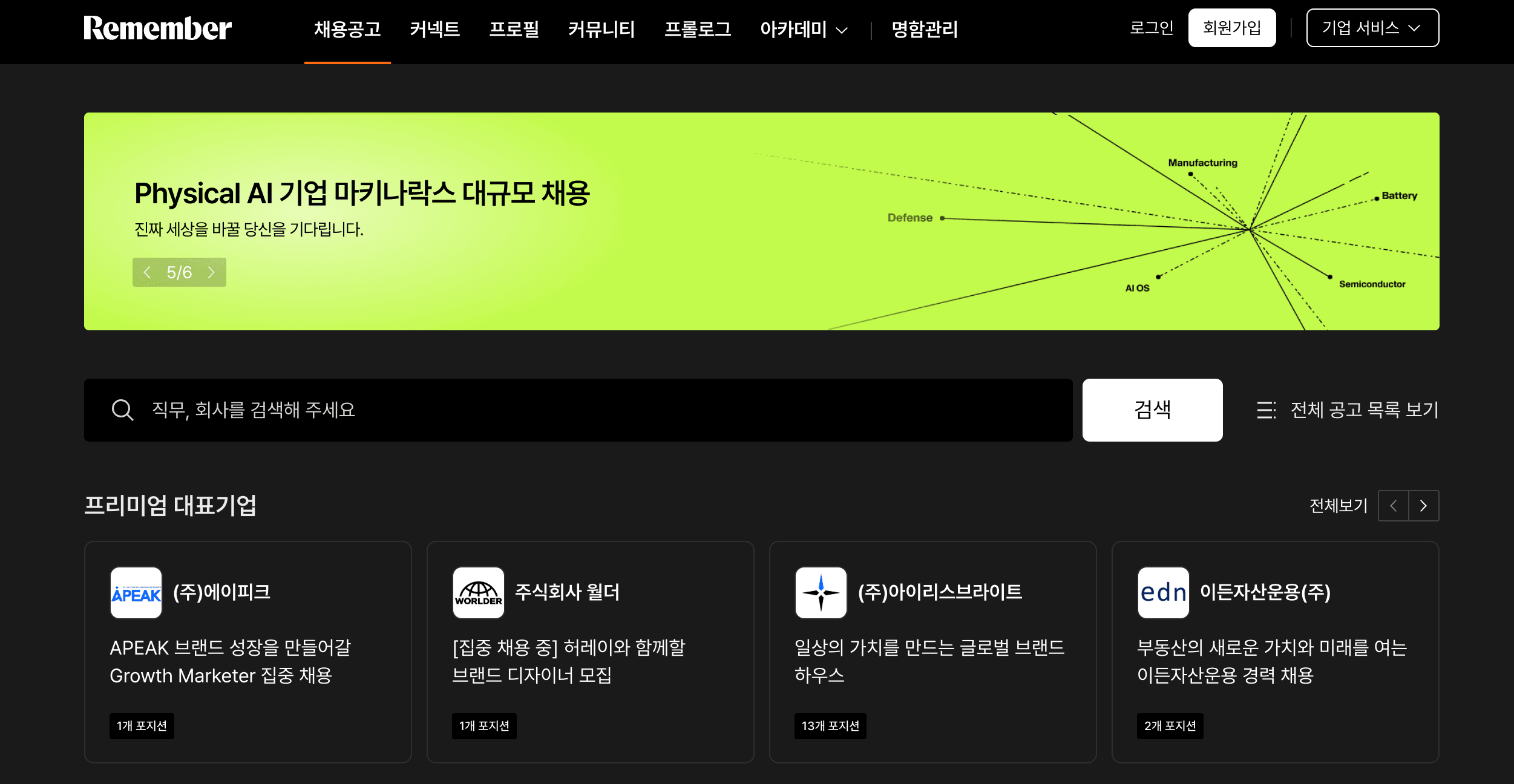
Once you start going to events, cards pile up fast. The Remember (리멤버) app is one tool most Korean professionals use to manage them.
You take a photo of a name card, and the app digitizes the contact information accurately, and with a human-verification layer that keeps it clean. It's widely used in Korea's business community, which means there's a decent chance the people you're meeting are already on it.
Beyond storage, Remember also has a professional networking feed where users share business updates and industry news. Its audience is more Korea-focused than LinkedIn, so it can be useful for understanding how local professionals present themselves and share company updates. It's worth downloading early, both for keeping your contacts organized and for getting a feel for how Korean professionals communicate online.
Wrapping Up
Networking in Korea is less about collecting as many contacts as possible and more about building familiarity over time.
A well-designed business card will not create a relationship on its own. But carrying one, exchanging it properly, and following up through the right channel shows that you understand how business is often done here.
It is a small piece of preparation that can make your first meetings feel much smoother.